This is default featured slide 1 title

Go to Blogger edit html and find these sentences.Now replace these sentences with your own descriptions.This theme is Bloggerized by Lasantha Bandara - Premiumbloggertemplates.com.

This is default featured slide 2 title

Go to Blogger edit html and find these sentences.Now replace these sentences with your own descriptions.This theme is Bloggerized by Lasantha Bandara - Premiumbloggertemplates.com.

This is default featured slide 3 title

Go to Blogger edit html and find these sentences.Now replace these sentences with your own descriptions.This theme is Bloggerized by Lasantha Bandara - Premiumbloggertemplates.com.

This is default featured slide 4 title

Go to Blogger edit html and find these sentences.Now replace these sentences with your own descriptions.This theme is Bloggerized by Lasantha Bandara - Premiumbloggertemplates.com.

This is default featured slide 5 title

Go to Blogger edit html and find these sentences.Now replace these sentences with your own descriptions.This theme is Bloggerized by Lasantha Bandara - Premiumbloggertemplates.com.

Wednesday, October 23, 2019

DIWALI 5 DAY OF CELEBRATION


The Second Day : 
Narak Chaudas or Chhoti Diwali
ЁЯТ░ Explore the world of money-making opportunities online! Click here "https://forms.gle/WmF6fDnJQx5mndDq8" to get started. ЁЯМР

Image result for Narak Chaudas
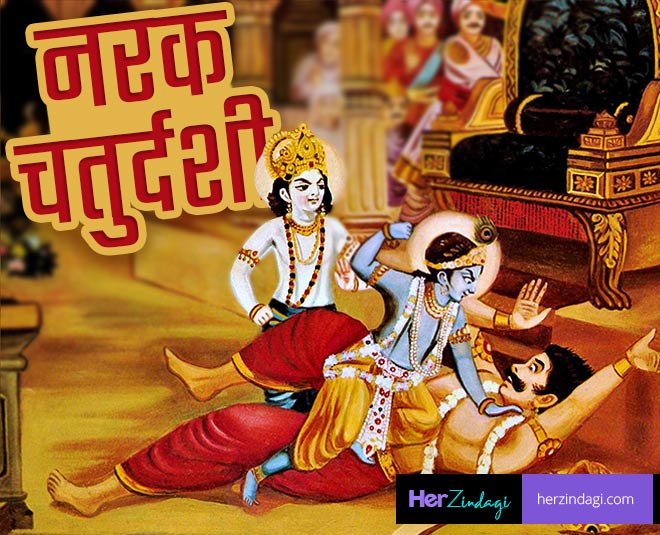
The Second Day is called Narak-Chaturdashi or more popularly as Chotti Diwali which falls on the 14th day of the month of Kartik. This festival is observed to commemorate the victory of Lord Krishna over the demon king, Narkasur. This day is also celebrated as the birthday of Hanumanji or Hanuman jayanti. Also, on this day Hanumanji reached Ayodhya to deliver the long-awaited message of Lord Rama?s return. Just like diwali people light diyas on chhoti diwali to fill their homes with light, worship Goddess Laxmi and offer prayers to Her and they also burst firecrackers but all these things are not as grand as they are on the day of main diwali.

рджूрд╕рд░ा рджिрди: рдиाрд░рдХ рдЪौрджрд╕ рдпा рдЫोрдЯी рджिрд╡ाрд▓ी
рджूрд╕рд░े рджिрди рдХो рдирд░рдХ-рдЪрддुрд░्рджрд╢ी рдпा рдЕрдзिрдХ рд▓ोрдХрдк्рд░िрдп рд░ूрдк рд╕े рдЫोрдЯी рджिрд╡ाрд▓ी рдХрд╣ा рдЬाрддा рд╣ै рдЬो рдХाрд░्рддिрдХ рдорд╣ीрдиे рдХे 14 рд╡ें рджिрди рдЖрддी рд╣ै। рдпрд╣ рдд्рдпौрд╣ाрд░ рднрдЧрд╡ाрди рдирд░ेрд╢, рдирд░рдХाрд╕ुрд░ рдкрд░ рдХृрд╖्рдг рдХी рд╡िрдЬрдп рдХे рдЙрдкрд▓рдХ्рд╖्рдп рдоें рдордиाрдпा рдЬाрддा рд╣ै। рдЗрд╕ рджिрди рдХो рд╣рдиुрдоाрдирдЬी рдпा рд╣рдиुрдоाрди рдЬрдпंрддी рдХे рдЬрди्рдорджिрди рдХे рд░ूрдк рдоें рднी рдордиाрдпा рдЬाрддा рд╣ै। рдЗрд╕рдХे рдЕрд▓ाрд╡ा, рдЗрд╕ рджिрди рд╣рдиुрдоाрдирдЬी рднрдЧрд╡ाрди рд░ाрдо рдХे рд▓ंрдмे рд╕рдордп рд╕े рдк्рд░рддीрдХ्рд╖िрдд рд╕ंрджेрд╢ рджेрдиे рдХे рд▓िрдП рдЕрдпोрдз्рдпा рдкрд╣ुंрдЪे। рджीрд╡ाрд▓ी рдХी рддрд░рд╣ рд╣ी рд▓ोрдЧ рдЕрдкрдиे рдШрд░ों рдХो рд░ोрд╢рдиी рд╕े рднрд░рдиे рдХे рд▓िрдП рдЫोрдЯी рджीрд╡ाрд▓ी рдкрд░ рджीрдпा рдЬрд▓ाрддे рд╣ैं, рджेрд╡ी рд▓рдХ्рд╖्рдоी рдХी рдкूрдЬा рдХрд░рддे рд╣ैं рдФрд░ рдЙрди्рд╣ें рдкूрдЬा рдЕрд░्рдЪрдиा рдХрд░рддे рд╣ैं рдФрд░ рдкрдЯाрдЦे рднी рдлोрдб़рддे рд╣ैं рд▓ेрдХिрди рдпे рд╕рднी рдЪीрдЬें рдЙрддрдиी рднрд╡्рдп рдирд╣ीं рд╣ोрддी рд╣ैं рдЬिрддрдиी рдХि рдоुрдЦ्рдп рджीрд╡ाрд▓ी рдХे рджिрди doosara din: naarak chaudas  Image result for Narak Chaudas

doosare din ko narak-chaturdashee ya adhik lokapriy roop se chhotee divaalee kaha jaata hai jo kaartik maheene ke 14 ven din aatee hai. yah tyauhaar bhagavaan naresh, narakaasur par krshn kee vijay ke upalakshy mein manaaya jaata hai. is din ko hanumaanajee ya hanumaan jayantee ke janmadin ke roop mein bhee manaaya jaata hai. isake alaava, is din hanumaanajee bhagavaan raam ke lambe samay se prateekshit sandesh dene ke lie ayodhya pahunche. deevaalee kee tarah hee log apane gharon ko roshanee se bharane ke lie chhotee deevaalee par deeya jalaate hain, devee lakshmee kee pooja karate hain aur unhen pooja archana karate hain aur pataakhe bhee phodate hain lekin ye sabhee cheejen utanee bhavy nahin hotee hain jitanee ki mukhy deevaalee ke din.

The Third Day : Diwali or Deepavali

The Third Day of this festival of Diwali is the most important day of Lakshmi Puja which is entirely devoted to the propotiation of Goddess Lakshmi.On this dark new moon night, the entrances to all homes are lit up and decorated with rangoli patterns to welcome Lakshmi, the radiant consort of Vishnu and the goddess of wealth and lustre.
Diwali is the last day of financial year in traditional Hindu business and businessmen perform Chopda Pujan on this day on the new books of accounts. Diwali is the festival when the new business year begins it is said that Diwali is the "Time to shop or start new ventures".


рддीрд╕рд░ा рджिрди: рджीрд╡ाрд▓ी рдпा рджीрдкाрд╡рд▓ी
рджिрд╡ाрд▓ी рдХे рдЗрд╕ рдд्рдпौрд╣ाрд░ рдХा рддीрд╕рд░ा рджिрди рд▓рдХ्рд╖्рдоी рдкूрдЬा рдХा рд╕рдмрд╕े рдорд╣рдд्рд╡рдкूрд░्рдг рджिрди рд╣ै рдЬो рдкूрд░ी рддрд░рд╣ рд╕े рджेрд╡ी рд▓рдХ्рд╖्рдоी рдХे рдк्рд░рдЪाрд░ рдХे рд▓िрдП рд╕рдорд░्рдкिрдд рд╣ै। рдЗрд╕ рдЕрдоाрд╡рд╕्рдпा рдХी рд░ाрдд рдоें, рд╕рднी рдШрд░ों рдХे рдк्рд░рд╡ेрд╢ рдж्рд╡ाрд░ рдЬрд▓ाрдП рдЬाрддे рд╣ैं рдФрд░ рд▓рдХ्рд╖्рдоी рдХा рд╕्рд╡ाрдЧрдд рдХрд░рдиे рдХे рд▓िрдП рд░ंрдЧोрд▓ी рдкैрдЯрд░्рди рд╕рдЬाрдпा рдЬाрддा рд╣ै। , рд╡िрд╖्рдгु рдХा рддेрдЬрд╕्рд╡ी рд╕ंрдШ рдФрд░ рдзрди рдФрд░ рдЪрдордХ рдХी рджेрд╡ी।
рдкाрд░ंрдкрд░िрдХ рд╣िंрджू рд╡्рдпрд╡рд╕ाрдп рдоें рджीрд╡ाрд▓ी рд╡िрдд्рддीрдп рд╡рд░्рд╖ рдХा рдЕंрддिрдо рджिрди рд╣ै рдФрд░ рд╡्рдпрд╡рд╕ाрдпी рдЗрд╕ рджिрди рдЪोрдкрдб़ा рдкूрдЬрди рдХрд░рддे рд╣ैं। рджिрд╡ाрд▓ी рд╡рд╣ рдд्рдпौрд╣ाрд░ рд╣ै рдЬрдм рдирдпा рдХाрд░ोрдмाрд░ी рд╕ाрд▓ рд╢ुрд░ू рд╣ोрддा рд╣ै, рдпрд╣ рдХрд╣ा рдЬाрддा рд╣ै рдХि рджिрд╡ाрд▓ी "рдЦрд░ीрджाрд░ी рдХрд░рдиे рдпा рдирдП рдЙрдкрдХ्рд░рдо рд╢ुрд░ू рдХрд░рдиे рдХा рд╕рдордп" рд╣ै।
teesara din: deevaalee ya deepaavalee
divaalee ke is tyauhaar ka teesara din lakshmee pooja ka sabase mahatvapoorn din hai jo pooree tarah se devee lakshmee ke prachaar ke lie samarpit hai. is amaavasya kee raat mein, sabhee gharon ke pravesh dvaar jalae jaate hain aur lakshmee ka svaagat karane ke lie rangolee paitarn sajaaya jaata hai. , vishnu ka tejasvee sangh aur dhan aur chamak kee devee.
paaramparik hindoo vyavasaay mein deevaalee vitteey varsh ka antim din hai aur vyavasaayee is din chopada poojan karate hain. divaalee vah tyauhaar hai jab naya kaarobaaree saal shuroo hota hai, yah kaha jaata hai ki divaalee "khareedaaree karane ya nae upakram shuroo karane ka samay" hai.
The Fourth Day : Padwa or Varshapratipada

The fourth day of diwali celebrations is 'Padwa' or 'Varshapratipada'. In the North India Govardhan Puja is performed with great zeal and enthusiasm. On this day, Goverdhan Pooja is performed. This day is also observed as Annakoot and prayers are offered in the temples. The day after the Lakshmi Puja, most families celebrate the new year by dressing in new clothes, wearing jewellery and visiting family members and business colleagues to give them sweets, dry fruits and gifts.

The FIFTH Day : Bhai Dooj
Bhaiya Duj or Bhai Dooj is the festival that is celebrated on the fifth day of diwali and it falls on second day after diwali that is on 'Shukla Paksha Dwitiya' in the Hindi month of 'Kartik'.Bhai Dooj is observed as a symbol of love and affection between brothers and sisters. Bhai Dooj is the festival that marks the end of diwali celebrations.

Bhai Dooj is a festival of brothers and sisters. On this day, sisters apply sacred tika on their brother's forehead and pray for their long life. Brothers bless their sisters and promise to protect them from all hardships in life.
Bhaiya or Bhai means brother, and Dooj indicates two days after new moon, i.e., two days after Diwali in Kartik month ofHindu calendar.
Bhai Dooj too has got a lot to do with family ties and social attachments. It serves as a good time, especially for a married girl, to get together with her own family, and share the post-Diwali glee
рдкांрдЪрд╡ां рджिрди: рднाрдИ рджूрдЬ
рднैрдпा рджूрдЬ рдпा рднाрдИ рджूрдЬ рдПрдХ рдРрд╕ा рдд्рдпोрд╣ाрд░ рд╣ै рдЬो рджिрд╡ाрд▓ी рдХे рдкांрдЪрд╡ें рджिрди рдордиाрдпा рдЬाрддा рд╣ै рдФрд░ рдпрд╣ рджूрд╕рд░े рджिрди рджिрд╡ाрд▓ी рдХे рдмाрдж рдЖрддा рд╣ै рдЬो 'рдХाрд░्рддिрдХ' рдХे рд╣िंрджी рдорд╣ीрдиे рдоें 'рд╢ुрдХ्рд▓ рдкрдХ्рд╖ рдж्рд╡िрддीрдпा' рдХो рдордиाрдпा рдЬाрддा рд╣ै। рднाрдИ рджूрдЬ рдХो рдк्рд░рддीрдХ рдХे рд░ूрдк рдоें рдордиाрдпा рдЬाрддा рд╣ै рднाрдЗрдпों рдФрд░ рдмрд╣рдиों рдХे рдмीрдЪ рдк्рдпाрд░ рдФрд░ рд╕्рдиेрд╣। рднाрдИ рджूрдЬ рдПрдХ рдРрд╕ा рдд्рдпौрд╣ाрд░ рд╣ै рдЬो рджीрд╡ाрд▓ी рд╕рдоाрд░ोрд╣ рдХे рдЕंрдд рдХा рдк्рд░рддीрдХ рд╣ै।

рднाрдИ рджूрдЬ рднाрдЗрдпों рдФрд░ рдмрд╣рдиों рдХा рдд्рдпोрд╣ाрд░ рд╣ै। рдЗрд╕ рджिрди, рдмрд╣рдиें рдЕрдкрдиे рднाрдИ рдХे рдоाрдеे рдкрд░ рдкрд╡िрдд्рд░ рдЯीрдХा рд▓рдЧाрддी рд╣ैं рдФрд░ рдЙрдирдХे рд▓ंрдмे рдЬीрд╡рди рдХे рд▓िрдП рдк्рд░ाрд░्рдердиा рдХрд░рддी рд╣ैं। рднाрдИ рдЕрдкрдиी рдмрд╣рдиों рдХो рдЖрд╢ीрд░्рд╡ाрдж рджेрддे рд╣ैं рдФрд░ рдЙрди्рд╣ें рдЬीрд╡рди рдоें рд╕рднी рдХрдаिрдиाрдЗрдпों рд╕े рдмрдЪाрдиे рдХा рд╡ाрджा рдХрд░рддे рд╣ैं।
рднैрдпा рдпा рднाрдИ рдХा рдЕрд░्рде рднाрдИ рд╣ोрддा рд╣ै, рдФрд░ рджोрдЬ рджो рджिрди рдмाрдж рдЕрдоाрд╡рд╕्рдпा рдХे рджिрди, рдпाрдиी рджो рджिрди рдмाрдж рдХाрд░्рддिрдХ рдоाрд╣ рдХेрд╣िрди्рджू рдХैрд▓ेंрдбрд░ рдоें рджिрдЦाрдИ рджेрддा рд╣ै।
рднाрдИ рджूрдЬ рдХो рднी рдкाрд░िрд╡ाрд░िрдХ рд╕ंрдмंрдзों рдФрд░ рд╕ाрдоाрдЬिрдХ рдЬुрдб़ाрд╡ рдХे рд╕ाрде рдмрд╣ुрдд рдХुрдЫ рдХрд░рдиा рд╣ै। рдпрд╣ рдПрдХ рдЕрдЪ्рдЫे рд╕рдордп рдХे рд░ूрдк рдоें рдХाрд░्рдп рдХрд░рддा рд╣ै, рд╡िрд╢ेрд╖ рд░ूрдк рд╕े рдПрдХ рд╡िрд╡ाрд╣िрдд рд▓рдб़рдХी рдХे рд▓िрдП, рдЕрдкрдиे рдкрд░िрд╡ाрд░ рдХे рд╕ाрде рдоिрд▓рдХрд░, рдФрд░ рджीрд╡ाрд▓ी рдХे рдмाрдж рдХे рдЙрд▓्рд▓ाрд╕ рдХो рд╕ाрдЭा рдХрд░рдиे рдХे рд▓िрдП

ЁЯТ░ Explore the world of money-making opportunities online! Click here "https://forms.gle/WmF6fDnJQx5mndDq8" to get started. ЁЯМР

paanchavaan din: bhaee dooj
bhaiya dooj ya bhaee dooj ek aisa tyohaar hai jo divaalee ke paanchaven din manaaya jaata hai aur yah doosare din divaalee ke baad aata hai jo kaartik ke hindee maheene mein shukl paksh dviteeya ko manaaya jaata hai. bhaee dooj ko prateek ke roop mein manaaya jaata hai bhaiyon aur bahanon ke beech pyaar aur sneh. bhaee dooj ek aisa tyauhaar hai jo deevaalee samaaroh ke ant ka prateek hai.
bhaee dooj bhaiyon aur bahanon ka tyohaar hai. is din, bahanen apane bhaee ke maathe par pavitr teeka lagaatee hain aur unake lambe jeevan ke lie praarthana karatee hain. bhaee apanee bahanon ko aasheervaad dete hain aur unhen jeevan mein sabhee kathinaiyon se bachaane ka vaada karate hain.
bhaiya ya bhaee ka arth bhaee hota hai, aur doj do din baad amaavasya ke din, yaanee do din baad kaartik maah kehindoo kailendar mein dikhaee deta hai.
bhaee dooj ko bhee paarivaarik sambandhon aur saamaajik judaav ke saath bahut kuchh karana hai. yah ek achchhe samay ke roop mein kaary karata hai, vishesh roop se ek vivaahit ladakee ke lie, apane parivaar ke saath milakar, aur deevaalee ke baad ke ullaas ko saajha karane ke lie

Saturday, October 19, 2019

Bhai Dooj рднाрдИ рджूрдЬ


Bhai Dooj рднाрдИ рджूрдЬ

Bhai Dooj


hai Dooj is a festival of brothers and sisters. On this day, sisters apply sacred tika on their brother's forehead and pray for their long life. Brothers bless their sisters and promise to protect them from all hardships in life.
Bhaiya or Bhai means brother, and Dooj indicates two days after new moon, i.e., two days after Diwali in Kartik month of Hindu calendar.
Bhai Dooj too has got a lot to do with family ties and social attachments. It serves as a good time, especially for a married girl, to get together with her own family, and share the post-Diwali glee.

On the fifth and the last day of the Diwali festival Bhai Dooj or Bhau Beej is celebrated to mark the love between brothers and sisters. It is also called Yamadwititya.
Bhai Dooj KathaBhai Dooj is observed as a symbol of love and affection between brothers and sisters celebrated in India with great enthusiasm.On this festival, the sisters put the teeka on the forehead of their brothers with vermilion, sandal paste, roli or kumkum (red turmeric) and pray for them.Brothers give gifts to their sisters. Bhai Dooj Gifts emotes the feelings of a brother, expresses the gratitude for sharing such a wonderful relationship, reflects all the love shared and fills the heart of a sister with unmatched happiness. Such gifts are selected that are the expressions of good wishes prayers of love and more. The Story of this festival is --

The Legends of Bhai Dooj :

The Legend Of Yamaraj and Yamuna :

According to Vedas Yama is god of the dead. He was the son of Vivasvat, the Sun and had a twin-sister named Yami or Yamuna. Yami, Yama's twin sister, was transformed into the sacred river Yamuna in whose purifying waters people bathe on holy days.
It is believed that once Yama went to visit his sister Yami who welcomed him with an auspicious tilak (a red dot) on his forehead and after garlanding him fed him a sumptuous meal and sweets. As a token of love Yamraj gave her a special gift while Yami presented him with a gift made with her own hands. Yamraj then announced that anyone who receives tilak from his sister will prosper. So to this day sisters welcome their brothers with the traditional tilak and sweets and brothers in turn give them gifts. Therefore, it was given the name of Yamadwititya.

The Legend Of Shree Krishna :

According to one legend, on this day, Lord Krishna, after slaying the Narakasura demon, goes to his sister Subhadra who welcomes him the lamp, flowers and sweets, and puts the holy protective spot on her brother's forehead.

The Legend Of Lord Mahavir :

Yet another story behind the origin of Bhai Dooj says that when Mahavir, the founder of Jainism, attained nirvana, his brother King Nandivardhan was distressed because he missed him and was comforted by his sister Sudarshana. Since then, women have been revered during Bhai Dooj.

Regional Names of Bhai Dooj :

There are various regional names of Bhai Dooj.

Bhai Phota -

In Bengal this event is called 'Bhai Phota', which is performed by the sister who religiously fasts until she applies a 'phota' or mark with sandal wood paste on her brother's forehead, offers him sweets and gifts and prays for his long and healthy life.

Bhav Bij / Bhai Bij / Bhaubeej :

In the states of Maharastra and Goa, this festival is known by the name of Bhav Bij / Bhai Bij / Bhaubeej . On Bhaubeej sisters pray for their brothers long and happy life as they perform teeka ceremony. Brothers also bless their sisters and pamper them with Bhav-Bij gifts. Highpoint of Bhai Bij celebration in Maharashtra is a special sweet called Basundi Poori of Shrikhand Poori.

Bhai dooj Katha, story of sister-brother festival of India

The Fourth Day : Padwa or Varshapratipada


The Fourth Day : Padwa or Varshapratipada
The fourth day of diwali celebrations is 'Padwa' or 'Varshapratipada'. In the North India Govardhan Puja is performed with great zeal and enthusiasm. On this day, Goverdhan Pooja is performed. This day is also observed as Annakoot and prayers are offered in the temples. The day after the Lakshmi Puja, most families celebrate the new year by dressing in new clothes, wearing jewellery and visiting family members and business colleagues to give them sweets, dry fruits and

Goverdhan Puja- The Fourth Day of Diwali Festival

Goverdhan Puja- The Fourth Day of Diwali Festival

Goverdhan Puja

The puja performed on the fourth day of Diwali is called the Govardhan Puja.
The puja performed on the fourth day of Diwali is called the Govardhan Puja. The origin of this day goes back to the Dwapara Yuga, and to Lord Krishna. According to legends, he lifted mount Govardhan on this day and hence the day is dedicated to the worshiping the mountain. Goverdhan puja is offered as a tribute to Krishna's heroic feat. In parts of north India, people make cow dung replicas of the fabled mound, decorate it with flower petals and offer prayers.


Goverdhan Katha

he day after Diwali is celebrated as Goverdhan Puja when Goverdhan Parbat or Mount Goverdhan, near Mathura, is worshipped. The origin of this day goes back to the Dwapara Yuga, and to Lord Krishna. According to legends, he lifted mount Goverdhan on this day and hence the day is dedicated to the worshiping the mountain. Goverdhan puja is offered as a tribute to Krishna's heroic feat. In parts of north India, people make cow dung replicas of the fabled mound, decorate it with flower petals and offer prayers

Goverdhan Katha, story


In few places, Goverdhan puja, also known as Godhan puja The day after Diwali is celebrated as Govadhan Puja when Govardhan Parbat or Mount Govardhan, near Mathura, is worshipped. The devotees of Lord Krishna keep awake the whole night and cook as many as fifty-six or one hundred and eight different types of dishes for the bhog (the offering of food) to Krishna. This sacred ceremony is referred to as ankut i.e. a mountain of food. After being offered to the lord, the delicacies are distributed as prasad to devotees.Celebration :
On this day, houses and business centers are renovated and rangoli designs to welcome the Goddess of wealth and prosperity. To indicate her long-awaited arrival, small footprints are drawn with rice flour and vermilion powder all over the houses. Lamps are kept burning all through the nights.
Being a day dedicated to the festival of wealth, on this people purchase a new utensil, silver or gold coin or some other precious metal as a sign of good luck on the day of dhanteras. This is also a tradition related with celebrations of the festival of Dhanvantari Trayodashi. Dhanteras festival is ideal time for setting up businesses, commencing new projects, housewarming, deciding wedding dates, buying cars and jewellery.
"Lakshmi-Puja" is performed in the evenings when tiny diyas of clay are lighted to drive away the shadows of evil spirits.

Narak Chaudas or Chhoti Diwali


The Second Day is called Narak-Chaturdashi or more popularly as Chotti Diwali which falls on the 14th day of the month of Kartik. This festival is observed to commemorate the victory of Lord Krishna over the demon king, Narkasur. This day is also celebrated as the birthday of Hanumanji or Hanuman jayanti. Also, on this day Hanumanji reached Ayodhya to deliver the long-awaited message of Lord Rama?s return. Just like diwali people light diyas on chhoti diwali to fill their homes with light, worship Goddess Laxmi and offer prayers to Her and they also burst firecrackers but all these things are not as grand as they are on the day of main diwali.

he Story of Narakasur:

The story goes that the demon king Narakasur ruler of Pragjyotishpur (Province to the South of Nepal) after defeating Lord Indra had snatched away the magnificent earrings of Aditi, the Mother of Goddess and imprisoned sixteen thousand daughters of the gods and saints in his harem. On the day previous to Narakchaturdashi, Lord Krishna killed the demon and liberated the imprisoned damsels and also recovered those precious earrings of Aditi. His destruction made all happy and the women in particular saw his end as a moral victory for them.

The Story of King Bali:

With his valour Bali conquered every bit of space, thus he became the most powerful king on earth. In his kingdom, justice was mere word, truth had no place and happiness was a dream. His form of charity was an occasion for pomp and show and those who went to seek Alms from the king Bali suffered the indignity of insults and humiliation. In fact, he felt that the vast wealth will remain and the pittance he handed out now and again could not affect even an iota of his asset. His false beliefs, arrogance and misrule ended when the Lord disguised as beggar and humble proved to Bali that his concepts were totally wrong and even his vast wealth could disappear in seconds. King Bali asked the dwarf beggar to ask for anything in his kingdom and with three steps even his crown vanished. With his first step Lord Vishnu covered the entire heaven and with the second step the earth and asked Bali where to keep his third step. Bali offered his head and became spiritually enlightened. Thus, this festival has a far deeper significance than a mere exhibition of gaiety and splendor. The Narak chaturdashi day therefore is dedicated to lights and prayers heralding a future full of joy and the elimination of greed.

Celebrations:

In South-India, people wake up before sunrise prepare a paste by mixing Kumkum in oil, which is called 'Ubtan', on their foreheads and then take bath. The breaking of the fruit represents the head of the demon King, Narakasur and the kumkum-oil paste symbolizes the blood that Lord Krishna smeared His forehead with.
In Maharashtra also, traditional early baths with oil and "Uptan" (paste) of gram flour and fragrant powders are a must. All through the ritual of baths, deafening sounds of crackers and fireworks are there in order that the children enjoy bathing. Afterward steamed vermicelli with milk and sugar or puffed rice with curd is served.
"In Bengal and east India, this day is called Kali Chaudas and celebrated as the birthday of Ma Kali. In Bengal Kali Ma's murti's are set up in pandals and Kali puja is performed on this day." (contributed by R G Thakore).


рджूрд╕рд░ा рджिрди: рдиाрд░рдХ рдЪौрджрд╕ рдпा рдЫोрдЯी рджिрд╡ाрд▓ी

рджूрд╕рд░े рджिрди рдХो рдирд░рдХ-рдЪрддुрд░्рджрд╢ी рдпा рдЕрдзिрдХ рд▓ोрдХрдк्рд░िрдп рд░ूрдк рд╕े рдЫोрдЯी рджिрд╡ाрд▓ी рдХрд╣ा рдЬाрддा рд╣ै рдЬो рдХाрд░्рддिрдХ рдорд╣ीрдиे рдХे 14 рд╡ें рджिрди рдЖрддी рд╣ै। рдпрд╣ рдд्рдпौрд╣ाрд░ рднрдЧрд╡ाрди рдирд░ेрд╢, рдирд░рдХाрд╕ुрд░ рдкрд░ рдХृрд╖्рдг рдХी рд╡िрдЬрдп рдХे рдЙрдкрд▓рдХ्рд╖्рдп рдоें рдордиाрдпा рдЬाрддा рд╣ै। рдЗрд╕ рджिрди рдХो рд╣рдиुрдоाрдирдЬी рдпा рд╣рдиुрдоाрди рдЬрдпंрддी рдХे рдЬрди्рдорджिрди рдХे рд░ूрдк рдоें рднी рдордиाрдпा рдЬाрддा рд╣ै। рдЗрд╕рдХे рдЕрд▓ाрд╡ा, рдЗрд╕ рджिрди рд╣рдиुрдоाрдирдЬी рднрдЧрд╡ाрди рд░ाрдо рдХे рд▓ंрдмे рд╕рдордп рд╕े рдк्рд░рддीрдХ्рд╖िрдд рд╕ंрджेрд╢ рджेрдиे рдХे рд▓िрдП рдЕрдпोрдз्рдпा рдкрд╣ुंрдЪे। рджीрд╡ाрд▓ी рдХी рддрд░рд╣ рд╣ी рд▓ोрдЧ рдЕрдкрдиे рдШрд░ों рдХो рд░ोрд╢рдиी рд╕े рднрд░рдиे рдХे рд▓िрдП рдЫोрдЯी рджीрд╡ाрд▓ी рдкрд░ рджीрдпा рдЬрд▓ाрддे рд╣ैं, рджेрд╡ी рд▓рдХ्рд╖्рдоी рдХी рдкूрдЬा рдХрд░рддे рд╣ैं рдФрд░ рдЙрди्рд╣ें рдкूрдЬा рдЕрд░्рдЪрдиा рдХрд░рддे рд╣ैं рдФрд░ рдкрдЯाрдЦे рднी рдлोрдб़рддे рд╣ैं рд▓ेрдХिрди рдпे рд╕рднी рдЪीрдЬें рдЙрддрдиी рднрд╡्рдп рдирд╣ीं рд╣ोрддी рдЬिрддрдиी рдХि рдоुрдЦ्рдп рджीрд╡ाрд▓ी рдХे рджिрди рд╣ोрддी рд╣ैं।


рд╡рд╣ рдирд░рдХाрд╕ुрд░ рдХी рдХрд╣ाрдиी:
рдХрд╣ाрдиी рдпрд╣ рд╣ै рдХि рднрдЧрд╡ाрди рдЗंрдж्рд░ рдХो рд╣рд░ाрдиे рдХे рдмाрдж рдк्рд░ाрдЧрдЬ्рдпोрддिрд╖рдкुрд░ (рдиेрдкाрд▓ рдХे рджрдХ्рд╖िрдг рдк्рд░ांрдд) рдХे рд╢ाрд╕рдХ рд░ाрдЬा рдирд░рдХाрд╕ुрд░ рдиे рджेрд╡ी рдХी рдоाрддा рдЕрджिрддि рдХी рд╢ाрдирджाрд░ рдмाрд▓िрдпों рдХो рдЫीрди рд▓िрдпा рдеा рдФрд░ рджेрд╡рддाрдУं рдФрд░ рд╕ंрддों рдХी рд╕ोрд▓рд╣ рд╣рдЬाрд░ рдмेрдЯिрдпों рдХो рдЙрдирдХे рд╣рд░рдо рдоें рдХैрдж рдХрд░ рд▓िрдпा рдеा। рдирд░рдХाрдЪрддुрд░्рджрд╢ी рд╕े рдкрд╣рд▓े рд╡ाрд▓े рджिрди, рднрдЧрд╡ाрди рдХृрд╖्рдг рдиे рд░ाрдХ्рд╖рд╕ рдХो рдоाрд░ рдбाрд▓ा рдФрд░ рдХैрдж рдХिрдП рдЧрдП рдбैрдорд▓्рд╕ рдХो рдоुрдХ्рдд рдХрд░ рджिрдпा рдФрд░ рдЕрджिрддि рдХे рдЙрди рдХीрдорддी рдЭुрдордХों рдХो рднी рдмрд░ाрдордж рдХिрдпा। рдЙрдирдХे рд╡िрдиाрд╢ рдиे рд╕рднी рдХो рдЦुрд╢ рдХрд░ рджिрдпा рдФрд░ рдорд╣िрд▓ाрдУं рдиे рд╡िрд╢ेрд╖ рд░ूрдк рд╕े рдЙрдирдХे рд▓िрдП рдПрдХ рдиैрддिрдХ рдЬीрдд рдХे рд░ूрдк рдоें рджेрдЦा।

рд░ाрдЬा рдмрд▓ि рдХी рдХрд╣ाрдиी:
рдЕрдкрдиी рд╡ीрд░рддा рдХे рд╕ाрде рдмाрд▓ी рдиे рд╣рд░ рдЬрдЧрд╣ рдкрд░ рд╡िрдЬрдп рдк्рд░ाрдк्рдд рдХी, рдЗрд╕ рдк्рд░рдХाрд░ рд╡рд╣ рдкृрде्рд╡ी рдХा рд╕рдмрд╕े рд╢рдХ्рддिрд╢ाрд▓ी рд░ाрдЬा рдмрди рдЧрдпा। рдЙрдирдХे рд░ाрдЬ्рдп рдоें, рди्рдпाрдп рдХेрд╡рд▓ рд╢рдм्рдж рдеा, рд╕рдд्рдп рдХा рдХोрдИ рд╕्рдеाрди рдирд╣ीं рдеा рдФрд░ рдЦुрд╢ी рдПрдХ рд╕рдкрдиा рдеा। рдЙрдирдХी рджाрдирд╢ीрд▓рддा рдХा рд░ूрдк рдзूрдордзाрдо рдФрд░ рдк्рд░рджрд░्рд╢рди рдХे рд▓िрдП рдПрдХ рдЕрд╡рд╕рд░ рдеा рдФрд░ рдЬो рд▓ोрдЧ рд░ाрдЬा рдмрд▓ि рд╕े рднिрдХ्рд╖ा рдоांрдЧрдиे рдЧрдП, рдЙрди्рд╣ें рдЕрдкрдоाрди рдФрд░ рдЕрдкрдоाрди рдХा рджंрд╢ рдЭेрд▓рдиा рдкрдб़ा। рд╡ाрд╕्рддрд╡ рдоें, рдЙрди्рд╣ोंрдиे рдорд╣рд╕ूрд╕ рдХिрдпा рдХि рд╡िрд╢ाрд▓ рдзрди рдмрдиा рд░рд╣ेрдЧा рдФрд░ рдЕрдм рд╡рд╣ рдлिрд░ рд╕े рдЕрдкрдиे рдкाрд╕ рдЬрдоा рдХिрдП рдЧрдП рдзрди рдХो рдЕрдкрдиी рд╕ंрдкрдд्рддि рдХा рдПрдХ рдХोрдЯा рднी рдк्рд░рднाрд╡िрдд рдирд╣ीं рдХрд░ рд╕рдХрддा рд╣ै। рдЙрд╕рдХी рдЭूрдаी рдоाрди्рдпрддाрдПं, рдЕрд╣ंрдХाрд░ рдФрд░ рдХुрд╢ाрд╕рди рддрдм рд╕рдоाрдк्рдд рд╣ो рдЧрдпा рдЬрдм рдк्рд░рднु рднिрдЦाрд░ी рдХे рд░ूрдк рдоें рдк्рд░рдЪ्рдЫрди्рди рд╣ो рдЧрдП рдФрд░ рдмाрд▓ि рдХो рд╡िрдирдо्рд░ рд╕ाрдмिрдд рдХिрдпा рдХि рдЙрдирдХी рдЕрд╡рдзाрд░рдгाрдПं рдкूрд░ी рддрд░рд╣ рд╕े рдЧрд▓рдд рд╣ैं рдФрд░ рдпрд╣ां рддрдХ ​​рдХि рдЙрдирдХी рд╡िрд╢ाрд▓ рд╕ंрдкрдд्рддि рднी рд╕ेрдХंрдбों рдоें рдЧाрдпрдм рд╣ो рд╕рдХрддी рд╣ै। рд░ाрдЬा рдмрд▓ि рдиे рдмौрдиे рднिрдЦाрд░ी рдХो рдЕрдкрдиे рд░ाрдЬ्рдп рдоें рдХुрдЫ рднी рдоांрдЧрдиे рдХे рд▓िрдП рдХрд╣ा рдФрд░ рддीрди рдЪрд░рдгों рдХे рд╕ाрде рдЙрд╕рдХा рдоुрдХुрдЯ рднी рдЧाрдпрдм рд╣ो рдЧрдпा। рдЕрдкрдиे рдкрд╣рд▓े рдХрджрдо рдХे рд╕ाрде рднрдЧрд╡ाрди рд╡िрд╖्рдгु рдиे рдкूрд░े рд╕्рд╡рд░्рдЧ рдХो рдвंрдХ рджिрдпा рдФрд░ рджूрд╕рд░े рдЪрд░рдг рдоें рдкृрде्рд╡ी рдФрд░ рдмाрд▓ी рд╕े рдкूрдЫा рдХि рдЕрдкрдиा рддीрд╕рд░ा рдХрджрдо рдХрд╣ां рд░рдЦा рдЬाрдП। рдмाрд▓ी рдиे рдЕрдкрдиा рд╕िрд░ рдЪрдв़ाрдпा рдФрд░ рдЖрдз्рдпाрдд्рдоिрдХ рд░ूрдк рд╕े рдк्рд░рдмुрдж्рдз рд╣ो рдЧрдпा। рдЗрд╕ рдк्рд░рдХाрд░, рдЗрд╕ рдд्рдпौрд╣ाрд░ рдХा рдЙрд▓्рд▓ाрд╕ рдФрд░ рднрд╡्рдпрддा рдХे рдк्рд░рджрд░्рд╢рди рд╕े рдХрд╣ीं рдЕрдзिрдХ рдЧрд╣рд░ा рдорд╣рдд्рд╡ рд╣ै। рдЗрд╕рд▓िрдП, рдирд░рдХ рдЪрддुрд░्рджрд╢ी рдХा рджिрди рд░ोрд╢рдиी рдФрд░ рдк्рд░ाрд░्рдердиाрдУं рдХे рд▓िрдП рд╕рдорд░्рдкिрдд рд╣ोрддा рд╣ै, рдЬो рдЦुрд╢ी рд╕े рднрд░े рднрд╡िрд╖्рдп рдФрд░ рд▓ाрд▓рдЪ рдХो рдЦрдд्рдо рдХрд░рдиे рдХी рдк्рд░ाрд░्рдердиा рдХрд░рддा рд╣ै।


рд╕рдоाрд░ोрд╣:
рджрдХ्рд╖िрдг-рднाрд░рдд рдоें, рд▓ोрдЧ рд╕ूрд░्рдпोрджрдп рд╕े рдкрд╣рд▓े рдЙрдардХрд░ рдХुрдордХुрдо рдХो рддेрд▓ рдоें рдоिрд▓ाрдХрд░ рдПрдХ рдкेрд╕्рдЯ рддैрдпाрд░ рдХрд░рддे рд╣ैं, рдЬिрд╕े рдЙрдирдХे рдоाрдеे рдкрд░ 'рдЙрдмрдЯрди' рдХрд╣ा рдЬाрддा рд╣ै рдФрд░ рдлिрд░ рд╕्рдиाрди рдХрд░рддे рд╣ैं। рдлрд▓ рдХा рдЯूрдЯрдиा рд░ाрдХ्рд╖рд╕ рд░ाрдЬा, рдирд░рдХाрд╕ुрд░ рдХे рд╕िрд░ рдХा рдк्рд░рддिрдиिрдзिрдд्рд╡ рдХрд░рддा рд╣ै рдФрд░ рдХुрдордХुрдо-рддेрд▓ рдХा рдкेрд╕्рдЯ рдЙрд╕ рд░рдХ्рдд рдХा рдк्рд░рддीрдХ рд╣ै рдЬिрд╕े рднрдЧрд╡ाрди рдХृрд╖्рдг рдиे рдЕрдкрдиे рдоाрдеे рд╕े рд╕ूंрдШा рдеा।

рдорд╣ाрд░ाрд╖्рдЯ्рд░ рдоें рднी, рддेрд▓ рдХे рд╕ाрде рдкाрд░ंрдкрд░िрдХ рдк्рд░ाрд░ंрднिрдХ рд╕्рдиाрди рдФрд░ рдмेрд╕рди рдФрд░ рд╕ुрдЧंрдзिрдд рдкाрдЙрдбрд░ рдХे "рдЙрдкрдЯрди" (рдкेрд╕्рдЯ) рдЖрд╡рд╢्рдпрдХ рд╣ैं। рд╕рднी рд╕्рдиाрди рдХे рдЕрдиुрд╖्рдаाрди рдХे рдоाрдз्рдпрдо рд╕े, рдкрдЯाрдЦे рдФрд░ рдЖрддिрд╢рдмाрдЬी рдХी рдмрд╣рд░ी рдЖрд╡ाрдЬें рд╣ोрддी рд╣ैं рддाрдХि рдмрдЪ्рдЪे рд╕्рдиाрди рдХा рдЖрдиंрдж рд▓ें। рдмाрдж рдоें рджूрдз рдФрд░ рдЪीрдиी рдХे рд╕ाрде рдЙрдмрд▓े рд╣ुрдП рд╕ेंрд╡рдИ рдФрд░ рджрд╣ी рдХे рд╕ाрде рдЪाрд╡рд▓ рдХो рдкрд░ोрд╕ा рдЬाрддा рд╣ै।

"рдмंрдЧाрд▓ рдФрд░ рдкूрд░्рд╡ рднाрд░рдд рдоें, рдЗрд╕ рджिрди рдХो рдХाрд▓ी рдЪौрджрд╕ рдХрд╣ा рдЬाрддा рд╣ै рдФрд░ рдЗрд╕े рдоा рдХाрд▓ी рдХे рдЬрди्рдорджिрди рдХे рд░ूрдк рдоें рдордиाрдпा рдЬाрддा рд╣ै। рдмंрдЧाрд▓ рдоें рдоाँ рдХाрд▓ी рдХी рдоूрд░्рддि рдХी рд╕्рдеाрдкрдиा рдкंрдбाрд▓ों рдоें рдХी рдЬाрддी рд╣ै рдФрд░ рдЗрд╕ рджिрди рдХाрд▓ी рдкूрдЬा рдХी рдЬाрддी рд╣ै।" (рдЖрд░ рдЬी рдаाрдХोрд░ рдж्рд╡ाрд░ा рдпोрдЧрджाрди рджिрдпा рдЧрдпा)।
doosara din: naarak chaudas ya chhotee divaalee

doosare din ko narak-chaturdashee ya adhik lokapriy roop se chhotee divaalee kaha jaata hai jo kaartik maheene ke 14 ven din aatee hai. yah tyauhaar bhagavaan naresh, narakaasur par krshn kee vijay ke upalakshy mein manaaya jaata hai. is din ko hanumaanajee ya hanumaan jayantee ke janmadin ke roop mein bhee manaaya jaata hai. isake alaava, is din hanumaanajee bhagavaan raam ke lambe samay se prateekshit sandesh dene ke lie ayodhya pahunche. deevaalee kee tarah hee log apane gharon ko roshanee se bharane ke lie chhotee deevaalee par deeya jalaate hain, devee lakshmee kee pooja karate hain aur unhen pooja archana karate hain aur pataakhe bhee phodate hain lekin ye sabhee cheejen utanee bhavy nahin hotee jitanee ki mukhy deevaalee ke din hotee hain.


vah narakaasur kee kahaanee:
kahaanee yah hai ki bhagavaan indr ko haraane ke baad praagajyotishapur (nepaal ke dakshin praant) ke shaasak raaja narakaasur ne devee kee maata aditi kee shaanadaar baaliyon ko chheen liya tha aur devataon aur santon kee solah hajaar betiyon ko unake haram mein kaid kar liya tha. narakaachaturdashee se pahale vaale din, bhagavaan krshn ne raakshas ko maar daala aur kaid kie gae daimals ko mukt kar diya aur aditi ke un keematee jhumakon ko bhee baraamad kiya. unake vinaash ne sabhee ko khush kar diya aur mahilaon ne vishesh roop se unake lie ek naitik jeet ke roop mein dekha.

raaja bali kee kahaanee:
apanee veerata ke saath baalee ne har jagah par vijay praapt kee, is prakaar vah prthvee ka sabase shaktishaalee raaja ban gaya. unake raajy mein, nyaay keval shabd tha, saty ka koee sthaan nahin tha aur khushee ek sapana tha. unakee daanasheelata ka roop dhoomadhaam aur pradarshan ke lie ek avasar tha aur jo log raaja bali se bhiksha maangane gae, unhen apamaan aur apamaan ka dansh jhelana pada. vaastav mein, unhonne mahasoos kiya ki vishaal dhan bana rahega aur ab vah phir se apane paas jama kie gae dhan ko apanee sampatti ka ek kota bhee prabhaavit nahin kar sakata hai. usakee jhoothee maanyataen, ahankaar aur kushaasan tab samaapt ho gaya jab prabhu bhikhaaree ke roop mein prachchhann ho gae aur baali ko vinamr saabit kiya ki unakee avadhaaranaen pooree tarah se galat hain aur yahaan tak ​​ki unakee vishaal sampatti bhee sekandon mein gaayab ho sakatee hai. raaja bali ne baune bhikhaaree ko apane raajy mein kuchh bhee maangane ke lie kaha aur teen charanon ke saath usaka mukut bhee gaayab ho gaya. apane pahale kadam ke saath bhagavaan vishnu ne poore svarg ko dhank diya aur doosare charan mein prthvee aur baalee se poochha ki apana teesara kadam kahaan rakha jae. baalee ne apana sir chadhaaya aur aadhyaatmik roop se prabuddh ho gaya. is prakaar, is tyauhaar ka ullaas aur bhavyata ke pradarshan se kaheen adhik gahara mahatv hai. isalie, narak chaturdashee ka din roshanee aur praarthanaon ke lie samarpit hota hai, jo khushee se bhare bhavishy aur laalach ko khatm karane kee praarthana karata hai.


samaaroh:
dakshin-bhaarat mein, log sooryoday se pahale uthakar kumakum ko tel mein milaakar ek pest taiyaar karate hain, jise unake maathe par ubatan kaha jaata hai aur phir snaan karate hain. phal ka tootana raakshas raaja, narakaasur ke sir ka pratinidhitv karata hai aur kumakum-tel ka pest us rakt ka prateek hai jise bhagavaan krshn ne apane maathe se soongha tha.

mahaaraashtr mein bhee, tel ke saath paaramparik praarambhik snaan aur besan aur sugandhit paudar ke "upatan" (pest) aavashyak hain. sabhee snaan ke anushthaan ke maadhyam se, pataakhe aur aatishabaajee kee baharee aavaajen hotee hain taaki bachche snaan ka aanand len. baad mein doodh aur cheenee ke saath ubale hue senvee aur dahee ke saath chaaval ko parosa jaata hai.

"bangaal aur poorv bhaarat mein, is din ko kaalee chaudas kaha jaata hai aur ise ma kaalee ke janmadin ke roop mein manaaya jaata hai. bangaal mein maan kaalee kee moorti kee sthaapana pandaalon mein kee jaatee hai aur is din kaalee pooja kee jaatee hai." (aar jee thaakor dvaara yogadaan diya gaya).

Friday, October 18, 2019

Happy Diwali 2019 - The Festival of Lights


Happy Diwali 2019 - The Festival of Lights


Diwali or Deepawali also referred as festival of lights celebrates victory of good over evil all over the world by Hindus, Jains and Sikhs. It is a time for thoroughly anuual-cleaning the home, wearing new clothes, gift friends, decorate the house amd enjot with fireworks in the night. Lakshmi puja is essential ceremony on Diwali. Newly installed statues of Lord Ganesha and Shri Lakshmi are worshipped. This book consists of Diwali Puja, Mahalakshmi Pujan, Lakshmi Sookt, Deepawali Katha, Lakshmi Chalisa, Lakshmi Aarti, Dhanteras significance, Bhai Dooj importance.

рджीрд╡ाрд▓ी рдпा рджीрдкाрд╡рд▓ी рдХो рд░ोрд╢рдиी рдХे рдд्рдпौрд╣ाрд░ рдХे рд░ूрдк рдоें рднी рдЬाрдиा рдЬाрддा рд╣ै рдЬो рдкूрд░े рд╡िрд╢्рд╡ рдоें рд╣िंрджुрдУं, рдЬैрди рдФрд░ рд╕िрдЦों рдж्рд╡ाрд░ा рдмुрд░ाрдИ рдкрд░ рдЕрдЪ्рдЫाрдИ рдХी рдЬीрдд рдХा рдЬрд╢्рди рдордиाрддी рд╣ै। рдпрд╣ рдШрд░ рдХो рдЕрдЪ्рдЫी рддрд░рд╣ рд╕े рд╕ाрдл-рд╕ुрдерд░ा рдХрд░рдиे рдХा рд╕рдордп рд╣ै, рдирдП рдХрдкрдб़े рдкрд╣рдирдиे, рдЙрдкрд╣ाрд░ рджेрдиे рд╡ाрд▓े рдоिрдд्рд░, рд░ाрдд рдоें рдЖрддिрд╢рдмाрдЬी рдХे рд╕ाрде рдШрд░ рдХी рд╕рдЬाрд╡рдЯ рдХрд░рдиे рдХे рд▓िрдП। рджिрд╡ाрд▓ी рдкрд░ рд▓рдХ्рд╖्рдоी рдкूрдЬा рдЖрд╡рд╢्рдпрдХ рд╕рдоाрд░ोрд╣ рд╣ै। рднрдЧрд╡ाрди рдЧрдгेрд╢ рдФрд░ рд╢्рд░ी рд▓рдХ्рд╖्рдоी рдХी рдирдИ рд╕्рдеाрдкिрдд рдоूрд░्рддिрдпों рдХी рдкूрдЬा рдХी рдЬाрддी рд╣ै। рдЗрд╕ рдкुрд╕्рддрдХ рдоें рджीрд╡ाрд▓ी рдкूрдЬा, рдорд╣ाрд▓рдХ्рд╖्рдоी рдкूрдЬрди, рд▓рдХ्рд╖्рдоी рд╕ूрдХ्рдд, рджीрдкाрд╡рд▓ी рдХрдеा, рд▓рдХ्рд╖्рдоी рдЪाрд▓ीрд╕ा, рд▓рдХ्рд╖्рдоी рдЖрд░рддी, рдзрдирддेрд░рд╕ рдорд╣рдд्рд╡, рднाрдИ рджूрдЬ рдХा рдорд╣рдд्рд╡ рд╣ै।
deevaalee ya deepaavalee ko roshanee ke tyauhaar ke roop mein bhee jaana jaata hai jo poore vishv mein hinduon, jain aur sikhon dvaara buraee par achchhaee kee jeet ka jashn manaatee hai. yah ghar ko achchhee tarah se saaph-suthara karane ka samay hai, nae kapade pahanane, upahaar dene vaale mitr, raat mein aatishabaajee ke saath ghar kee sajaavat karane ke lie. divaalee par lakshmee pooja aavashyak samaaroh hai. bhagavaan ganesh aur shree lakshmee kee naee sthaapit moortiyon kee pooja kee jaatee hai. is pustak mein deevaalee pooja, mahaalakshmee poojan, lakshmee sookt, deepaavalee katha, lakshmee chaaleesa, lakshmee aaratee, dhanateras mahatv, bhaee dooj ka mahatv hai.

Friday, August 2, 2019

Hindi Prachar Sabha Worksheet

https://youtu.be/EEg8qkX6E6c